Dream Robot: Reducing Anxiety and Pain in Children with Social Robots
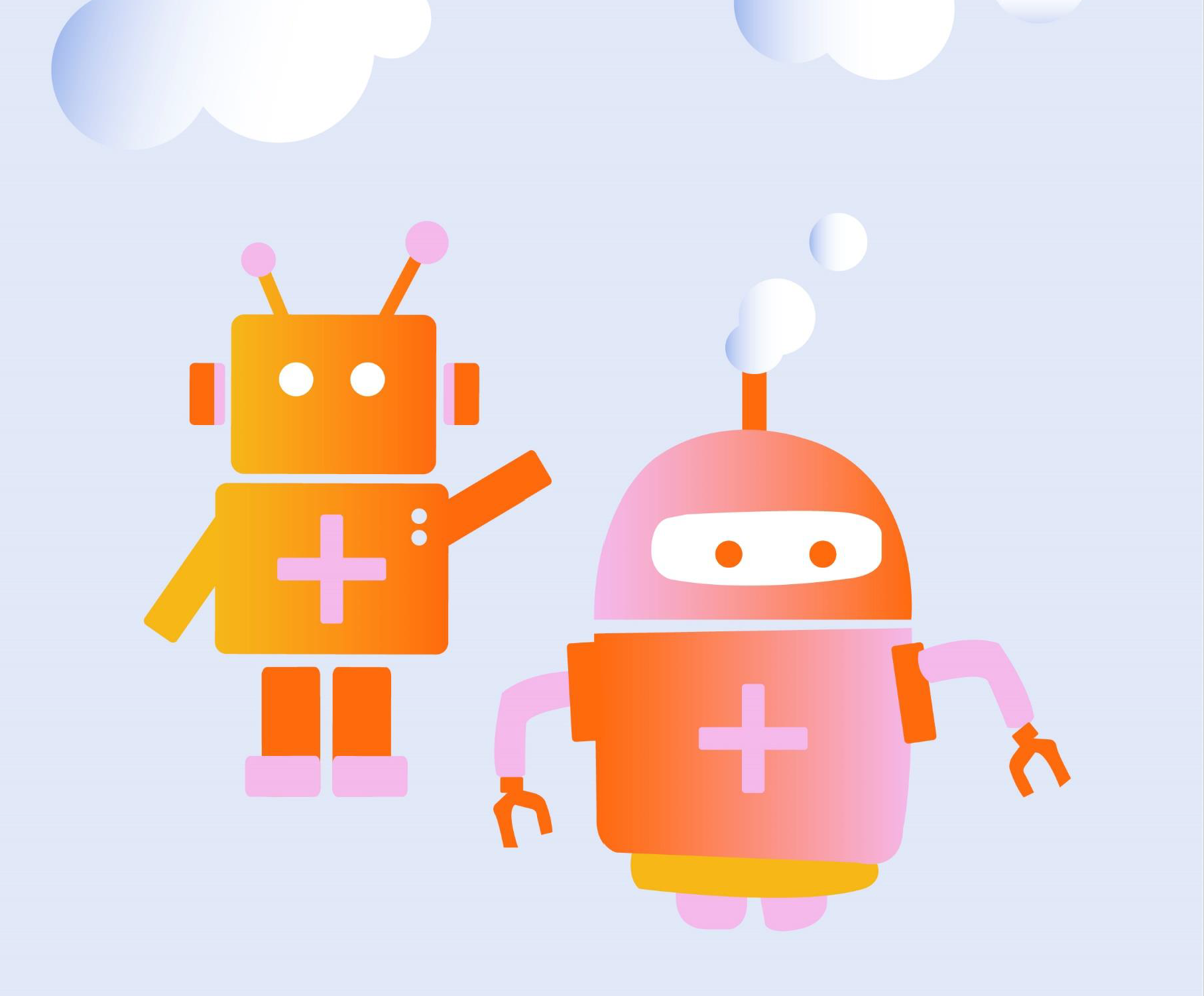
Dream Robot: Innovation in Child Care
The Droomrobot project focuses on the development of an autonomous social robot that applies the medical hypnosis technique known as “guided imagery.” The goal is to reduce anxiety and pain in children undergoing medical procedures, such as blood draws, injections, or MRI scans. The project is being carried out in collaboration with hospitals, technology experts, and research teams. By utilizing AI technology, the Droomrobot offers an innovative solution that can be widely applied to various age groups and medical situations.
Project Dream Robot; the social robot in hospitals
Children often experience fear and pain during medical procedures, which can hinder their recovery and even cause trauma. The use of social robots, such as the Droomrobot, can help with this. This robot is specifically designed to support children using “guided imagery,” a technique in which children are encouraged to mentally reimagine the medical procedure—for example, by picturing a race car or a water slide instead of a feeding tube.
The project consists of four phases:
- Development of the robot: An initial prototype of the Dream Robot is being developed in collaboration with experts and hospitals.
- Refinement of the robot: Through testing in various hospital settings, the robot is being further adapted to real-world use.
- Effectiveness Study: In a comprehensive study, the Dream Robot is being tested for its effectiveness in reducing anxiety and pain in children of various ages.
- Adoption and implementation: The results of the study are being used to roll out the robot on a broad scale in hospitals.
Collaboration and the Role of High Tech NL
The Dream Robot project is a collaboration between various partners, including the Wilhelmina Children's Hospital (WKZ), the Beatrix Children's Hospital (BKZ), Smartrobot.solutions, and academic institutions such as Utrecht University of Applied Sciences (HU) and Vrije Universiteit Amsterdam (VU).
High Tech NL plays an important role in connecting the various partners and promotes collaboration between the robotics industry, healthcare institutions, and research institutions. As an industry association, High Tech NL Robotics encourages the sharing of knowledge and expertise within the national robotics network and helps accelerate the implementation of technological innovations in the healthcare sector.
Project Partners
Colleges and Universities
- Utrecht University of Applied Sciences (HU):
- Expertise in social robotics and healthcare technology.
- Responsible for the design, development, and research of the Dream Robot.
- Vrije Universiteit Amsterdam (VU):
- Expert in artificial intelligence and social robotics.
- Programs the robot and tests its interaction with children.
Healthcare Facilities
- Beatrix Children's Hospital (BKZ):
- Tertiary care for children, specializing in medical-educational care and guided imagery.
- Provides use cases and collaboratively develops the robotic interventions.
- Erasmus MC (EMC):
- Tertiary Care, specializing in medical-educational care.
- Provides practical test cases and supports the use of the robot in healthcare.
- Princess Máxima Center:
- Tertiary Care, specializing in medical hypnosis and anxiety and pain reduction.
- Provides advice on privacy and security, and offers expertise in testing the robot in hospital settings.
- Antonius Hospital:
- Tertiary Care, a specialist in medical hypnosis.
- Assists in the development and testing of guided imagery interventions.
- Wilhelmina Children's Hospital (WKZ):
- Tertiary care for children, specializing in anxiety and pain management.
- Collaborates on the robot design and provides test cases for medical procedures.
Robotics Industry
- Smartrobot.solutions:
- Developer and supplier of social robots for the healthcare sector.
- Responsible for the technical development and training of healthcare staff in the use of the Dream Robot.
National Organizations
- High Tech NL:
- Promotes collaboration between the robotics industry, the scientific community, and healthcare institutions in the Netherlands.
- Facilitates knowledge sharing and accelerates the adoption of the robot in hospitals.
- Medical Hypnosis Practice:
- Specialist in medical hypnosis, with a focus on the use of guided imagery.
- Provides advice on the development of hypnosis interventions for the Dream Robot.
- Child & Hospital Foundation:
- Advocate for a child- and family-centered approach in healthcare.
- Provides support for the robot's design and encourages its adoption in healthcare facilities.
Project Duration
The project will run for two years, with each phase being carefully tested and evaluated. During this period, regular tests and iterations will take place in hospitals, with the goal of fully implementing the Dream Robot in Dutch hospitals by 2026.
Next Steps
In the coming years, the project will focus on testing the Dream Robot in various hospital settings, with the close involvement of children, parents, and healthcare providers. This iterative approach ensures that the robot is effective and user-friendly. The ultimate goal is to implement the Dream Robot on a broad scale and thereby make a significant contribution to the comfort and well-being of children during medical procedures.