The Future of Agriculture: Guill Steijvers on the Automatic Sorting of Chrysanthemum Cuttings
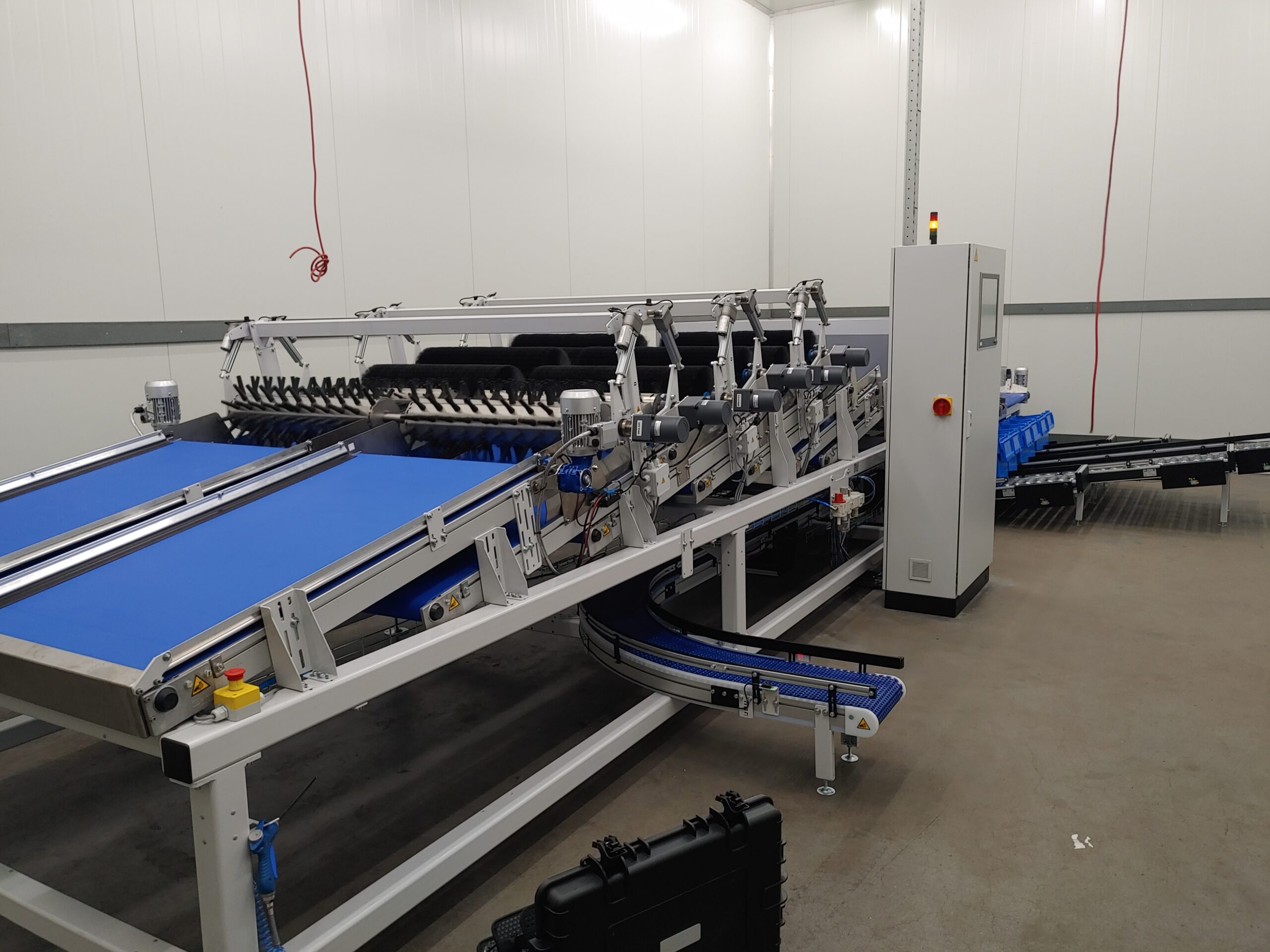
The AgroBOTS 2 project brings together technological innovation and horticulture. One of the projects within this program is the automated sorting of chrysanthemum cuttings: a smart solution aimed at increasing the uniformity of the sorted cuttings. By supplying uniformly sorted cuttings, consistent growth is encouraged at the grower’s facility, which ultimately results in more uniform flower quality and less waste. High Tech Alliance developed the system, and we spoke with Guill Steijvers about the process, the challenges, and the broader vision for the future of agricultural robots.
How did the project's testing process go before the system was put into use?
Our project focuses on a high-speed sorting system for chrysanthemum cuttings. Testing requires large quantities of refrigerated test material, which simply isn’t feasible in a workshop setting. That’s why we conducted only limited testing in our own facility. Once the system was ready, we ran small-scale trials and then installed it at the customer’s site. There, we were able to test with larger volumes and further optimize the system.
What were your main goals during development?
The goal was clear: to sort chrysanthemum cuttings into uniform quality grades at high speed—60,000 per hour. This enables growers to produce a consistent, high-quality end product. Consistency is crucial in this sector.
What role does sustainability play in your solution?
Thanks to our sorting system, virtually every cutting is classified into a usable quality grade. This results in significantly less waste and a much higher yield per number of cuttings. As a result, the grower achieves higher product quality—and thus a higher product price—from the same input.
What were the biggest technical challenges?
Sorting the cuttings was truly the biggest hurdle. The cuttings are delivered packed very tightly and compressed in bags or boxes —and must be individually assessed for length, stem thickness, and leaf volume. That requires lightning-fast vision technology. After that, they also need to be sorted, which is done using an in-house air blast system. And then there’s the software, which has to be able to accurately assess these natural products. It’s certainly no “piece of cake,” I can tell you.
What about maintenance? And what is the end user's role?
The system is built with materials and components that require little maintenance. Deliflor, our client and the world’s largest chrysanthemum breeder, has its own maintenance team that monitors operational readiness. They therefore play an important role in this process.
What lessons have you learned?
At High Tech Alliance, we have extensive experience with complex projects. Once again, it became clear that thorough preparation and a realistic plan really make all the difference. As a result, the project remained manageable in terms of time and costs. Virtually everything went according to plan.
What is your long-term vision for agricultural robots?
Agriculture and horticulture will have to become increasingly automated—there’s no getting around it. I believe in a future with many automated and efficient systems. But full automation without human intervention? That will take some time yet. For that to happen, technology, infrastructure, and societal acceptance will really need to advance a step further.
How does communication with end users work? Do misunderstandings ever arise?
Good communication is essential. Throughout the project, we held regular meetings where everyone could share their input. Even after implementation, those discussions continue, though less frequently. We take minutes and maintain an action list—that ensures clarity. You can never prevent misunderstandings 100%, but you can resolve them quickly if you continue to communicate openly.
Finally, if you could share one message about agricultural robots, what would it be?
Agricultural robots aren't the solution to everything, but they are crucial to preparing the sector for the future. They help us work in a more sustainable, efficient, and future-proof way—and contribute to global food security.
Want to learn more about this project? Check out the project page at agrobots.community
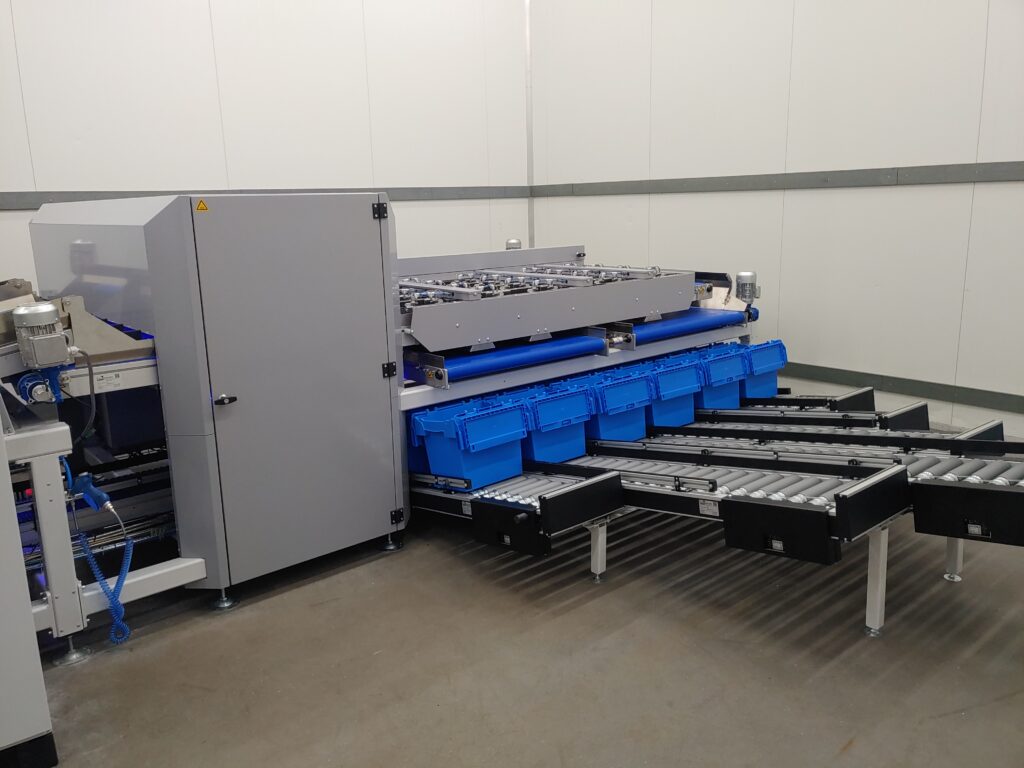
This project was made possible in part by the European Regional Development Fund, the national government, and the province of North Brabant as part of the OPZuid program.
